



Tope Awotona Turns a Scheduling Problem Into a Billion-Dollar Success Story
By Staff Writer
May 8, 2026
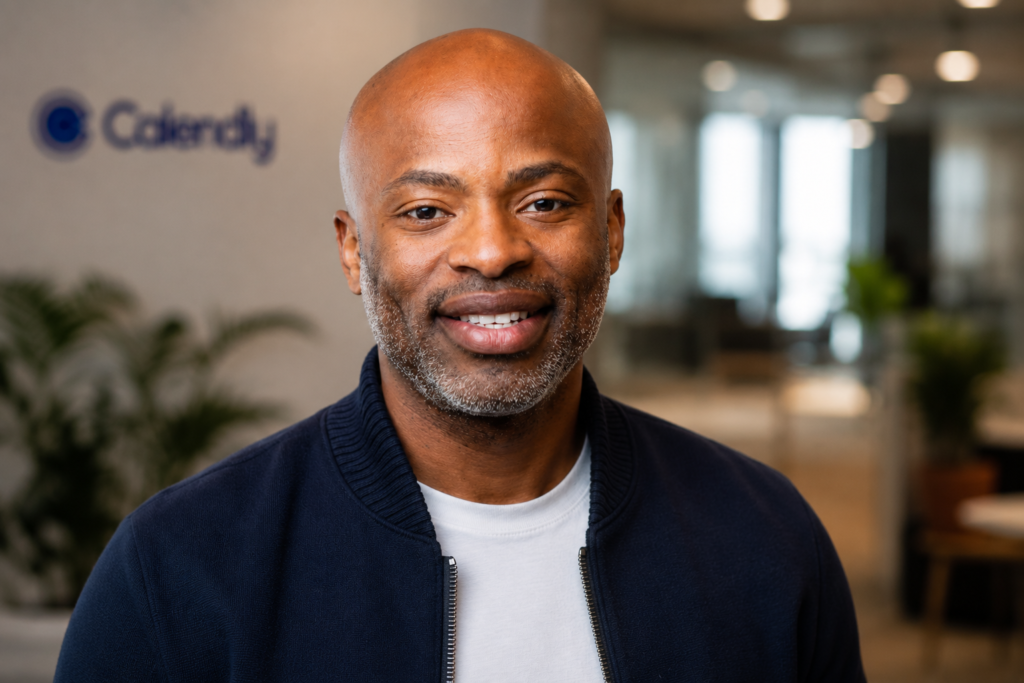
ATLANTA — Tope Awotona, the Nigerian-born founder and chief executive officer of Calendly, has become one of the most successful Black entrepreneurs in technology by turning a common workplace frustration into a global software platform.
Calendly, founded in 2013, was built around a simple idea: making it easier for people to schedule meetings without the back-and-forth of emails. Today, the Atlanta-based company says its platform serves more than 20 million individuals and businesses and is used across more than 230 countries with monthly active users.
Awotona’s rise stands out because he did not begin with major venture-capital backing. According to Calendly, he founded the company after putting his personal savings on the line, building the business through persistence before it became one of the most recognized scheduling platforms in the world.
Forbes lists Awotona among the world’s Black billionaires, estimating his net worth at $1.4 billion and identifying software as the source of his wealth. Forbes also lists him as the founder and CEO of Calendly.
His success has also been recognized beyond the business world. In 2025, the Carnegie Corporation of New York named Awotona among its “Great Immigrants, Great Americans” honorees, recognizing immigrants who have made notable contributions to American society. The Associated Press reported that the 2025 class included Awotona, originally from Nigeria, alongside leaders in science, business, medicine, arts and public service.
The company’s growth has not come without challenges. Business Insider reported that Calendly cut about 70 jobs in December 2024, representing about 13% of its workforce, after previous layoffs in 2023. The report also noted that Calendly has faced increased competition from technology giants including Google and Microsoft, which have added scheduling features to their own platforms.
Still, Awotona’s story remains a powerful example of how a focused solution to an everyday problem can become a major business. From Lagos to Atlanta, his journey reflects the impact of immigrant entrepreneurship, Black innovation and long-term commitment in the technology industry.
For aspiring entrepreneurs, Awotona’s path offers a clear lesson: a successful business does not always start with a complicated idea. Sometimes it begins with noticing a problem millions of people deal with every day — and refusing to stop until the solution works.
